


With winter in full swing, many households are bracing not just for freezing temperatures but also for the “financial freeze” the season brings. Winter introduces a unique set of seasonal expenses that can significantly drain savings or catch you off guard.
By understanding these hidden costs and effectively winterizing your budget, you can navigate the cold months with financial confidence.
Key Takeaways
- Preparation Prevents Strain: Anticipating seasonal costs helps avoid unexpected financial stress.
- Efficiency Equals Savings: Investing in energy-efficient home solutions and auto maintenance reduces long-term expenses.
- Health and Wellness: Prioritizing preventive care minimizes potential medical costs during flu season.
- Smart Lifestyle Choices: Embracing cost-effective habits (such as off-season shopping) helps ensure stability.
6 Major Winter Expenses That Drain Your Budget
1. Heating costs: Strategies to lower high bills
One of the most prominent financial challenges of winter is the spike in heating expenses. As temperatures drop, utility bills rise whether you rely on natural gas, electricity, or heating oil. Inefficient heating systems can cause these costs to skyrocket.
What to do:
- Invest in Efficiency: Install a programmable thermostat to lower the heat when you are asleep or away.
- Seal the Gaps: Use weatherstripping on doors and caulk on windows to stop warm air from escaping.
- Check the Ratings: As the U.S. Department of Energy advises, “Select energy-efficient products when you buy new heating equipment. Your contractor should be able to give you energy fact sheets for different types, models, and designs to help you compare energy usage. See the efficiency standards for information on minimum ratings and look for the ENERGY STAR label when purchasing new products.” – U.S. Department of Energy, Heating Tips.
2. Layering up: Budget-friendly winter wardrobe
Winter wardrobes often require an upgrade to protect against the elements. Essentials like thermal layers, heavy coats, insulated boots, and gloves can be a substantial hit to your budget if purchased at peak retail prices.
What to do:
- Shop Off-Season: Retailers offer the deepest discounts (up to 70% off) on winter apparel in March and April to clear inventory.
- Buy Second-Hand: Explore thrift stores or online resale platforms for high-quality gear at a fraction of the cost.
- Layer Smartly: Invest in high-quality base layers (like wool or synthetic blends) rather than multiple heavy coats.
3. Vehicle expenses: Navigating the icy roads
Winter weather is notoriously tough on vehicles. From road salt corrosion to the need for snow tires and antifreeze, maintenance costs can add up quickly. Neglecting this can lead to expensive emergency repairs or towing fees.
What to do:
- Preventative Maintenance: Check your battery, tire tread depth, and antifreeze levels before the first freeze.
- Emergency Fund: Set aside a specific sinking fund for car repairs so you aren’t relying on credit cards for a new battery or alternator.
- Drive Cautiously: Defensive driving prevents accidents on icy roads, saving you from deductible payments and insurance rate hikes.
4. Health and wellness: Avoiding seasonal medical costs
Winter is synonymous with the cold and flu season. Additionally, shorter days and limited sunlight can trigger Seasonal Affective Disorder (SAD), leading to increased spending on healthcare, prescriptions, and wellness activities.
What to do:
- Preventive Care: Get vaccinations and maintain a diet rich in Vitamin D and Zinc to boost immunity.
- Mental Health Resources: Utilize community support groups or online therapy platforms, which are often more affordable than private practice.
- Check Your Network: Always verify in-network providers with your health insurance to avoid surprise out-of-pocket bills.
5. Home maintenance: Preventing ice and snow damage
Winter can be harsh on your property. Heavy snowfall can cause roof damage, while freezing temperatures can threaten pipes. Home maintenance is an unavoidable expense, but reactive repairs cost significantly more than proactive prevention.
What to do:
- Protect Pipes: Insulate exposed pipes and keep the thermostat steady to prevent bursting.
- Roof and Gutters: Clean gutters before winter to prevent ice dams, which can cause water to back up into your home.
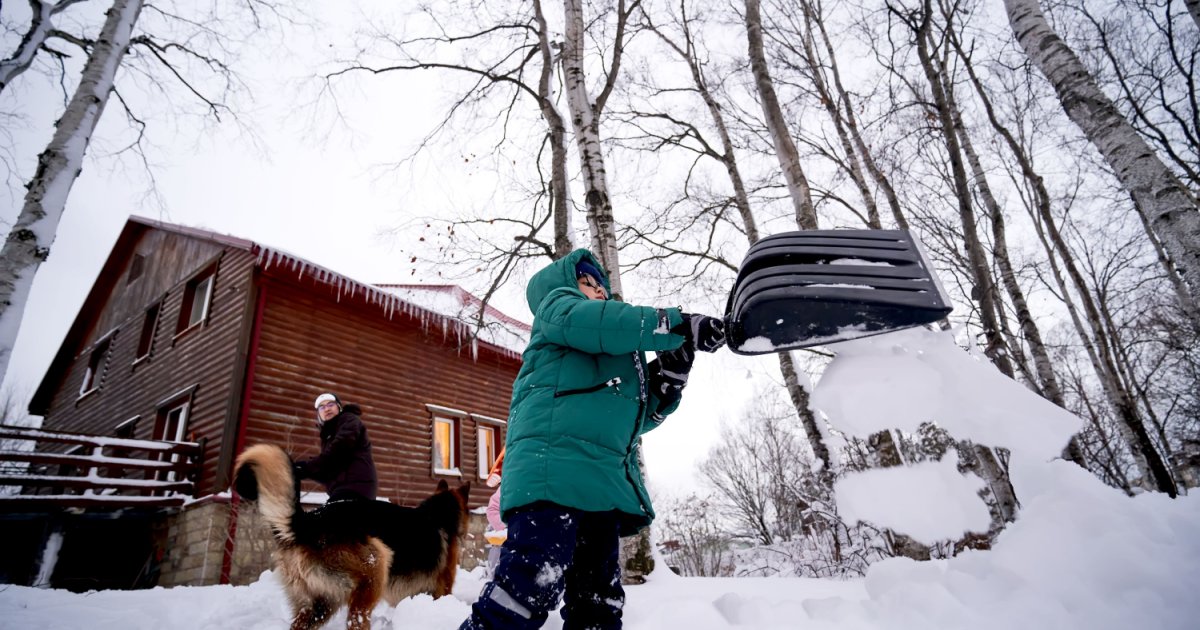
- Snow Removal: Invest in a quality shovel or snow blower early; hiring emergency plowing services during a blizzard often comes with a premium surcharge.
- Preplan for unexpected winter expenses: Consider putting money aside in the summer to avoid overusing credit cards.
Insurance Tip: When’s the last time you reviewed your home insurance coverage? Will it cover potential winter damage? If you aren’t sure, you should reach out to your insurance company. Rod Meloni, CFP, says, “You should also check with your insurance company about whether your area has any peculiar weather anomalies that might negate or prevent your homeowner’s insurance from covering a claim.”
6. Lifestyle adjustments: Low-cost winter fun
Winter offers an opportunity to adjust your lifestyle in ways that positively impact your budget. Instead of expensive outings, embrace the season’s limitations to save money.
What to do:
- Cook at Home: Embrace slow-cooker meals and soups rather than dining out.
- Free Activities: Explore low-cost activities like winter hiking, sledding at local parks, or community holiday events.
- Staycation: If you brave the cold, winter camping (with the right gear) is a fraction of the cost of a tropical vacation.
Navigating Winter with Confidence
Winter expenses can indeed have a significant impact on your budget, but with awareness and preparation, you can face the season with confidence. By understanding the unique financial challenges winter presents and implementing strategies to mitigate costs, you can ensure a stable financial footing.
Frequently Asked Questions
Q: Are there government rebates or tax credits for installing energy-efficient heating systems?
A: Yes, in many regions, there are government rebates and tax credits available for installing energy-efficient heating systems. Visit the U.S. Department of Energy to see what qualifies and how to claim a rebate.
Q: What’s the best time of year to buy winter gear at a discount?
A: The best time to buy winter gear is during end-of-season sales, typically occurring from late January through March, as retailers clear space for spring inventory.
Q: What should I include in a winter car emergency kit?
A: A complete winter car kit should include warm blankets, a shovel, sand or kitty litter (for traction), a flashlight, jumper cables, a first aid kit, and non-perishable food and water.
Q: How can I save money on groceries when cooking more at home during winter?
A: You can save on groceries by buying in-season produce (like root vegetables and citrus), buying pantry staples in bulk, and cooking large batch meals like stews that provide leftovers.
Q: How can I recover financially if winter expenses push me over budget and I go into credit card debt?
A: If winter expenses push you into debt, reach out to a non-profit agency like American Consumer Credit Counseling (ACCC) for a free session to discuss debt management plans and budgeting strategies.
If you’re struggling to pay off debt, ACCC can help. Schedule a free credit counseling session with us today.
Read the full article here